Health screenings made simple
Don’t miss these key screenings to keep you and your family healthy.
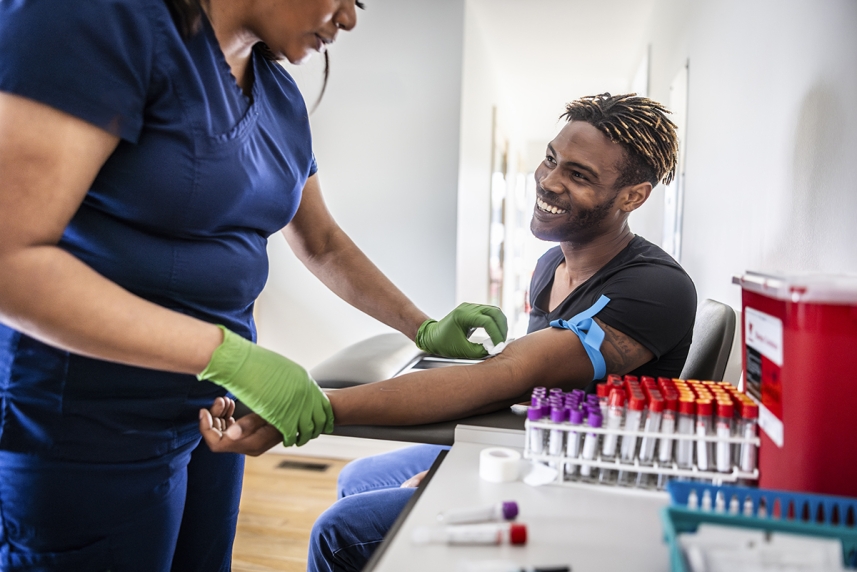
If you’re feeling healthy, you may not think you need to go to the doctor. But regular visits with your primary care provider (PCP) are key to preventive health care. Your PCP can screen you for common diseases. That way, they can catch problems before you start feeling sick.
Experts recommend getting certain screenings at different ages. We’ve broken it down for you in this cheat sheet below. And best of all — these screenings are all covered by your health plan at no extra cost to you.
Keep in mind, these recommendations are for healthy people without a history of illness. You may need to be screened earlier or more often. For example, if you have a family history of a disease or if a previous screening had an abnormal result. Your PCP will let you know what screenings you need and when.

Get the most out of your benefits
Preventive screenings for adults
Blood pressure
Nearly half of adults have high blood pressure. And it can lead to serious health problems like heart attack or stroke. The only way to know is to get your blood pressure checked.
When to get it: Every adult should get their blood pressure checked every three to five years. If you’re over 40 or at high risk for high blood pressure, get it checked every year.
Breast cancer
Breast cancer is one of the most common cancers in women. About 1 in 8 women will develop it in their lifetime. Breast cancer can be spotted with an X-ray of the breast, called a mammogram. When caught early, it’s often easier to treat and overcome.
When to get it: Women between the ages of 40 and 74 should get a mammogram every two years. If you have a family history of breast cancer, you may want to start screening earlier. Talk to your doctor about your risk.
Cervical cancer
Most cervical cancers can be prevented with regular screening. There are two kinds of screening tests:
- A pap smear checks for cancerous cells.
- An HPV test checks for infection with a virus that can cause cervical cancer.
When to get it: All women aged 21 to 65 should get screened with a pap smear and/or HPV test every three to five years.
Colorectal cancer
Screening tests include at-home stool tests and colonoscopies. (During a colonoscopy, your provider looks inside the colon and rectum with a small camera.)
When to get it: All adults should start screening for colorectal cancer at age 45 and stop around 75. If you have a family history of colorectal cancer, you may want to start screening earlier and may need more frequent screenings. How often depends on what kind of test you get. You can do an at-home stool test every one to three years. Or you can get a colonoscopy every 10 years (if screenings are normal). Talk to your provider about when to start and stop screening, and which test is right for you.
Lung cancer
People who smoke and former smokers have a higher risk of getting lung cancer. Regular screenings can help detect the disease early, when it’s easier to treat.
When to get it: Talk to your doctor about lung cancer screening if you are over 50 and:
- Smoke now or quit smoking in the last 15 years
- Have a 20 pack-year or more smoking history. (A “pack-year” is an average of smoking a pack of cigarettes a day for a year.)
Cholesterol/lipid panel
Too much cholesterol in your blood can lead to heart disease. Your doctor can check your cholesterol levels with a simple blood test.
When to get it: Experts recommend getting your cholesterol checked every four to six years. Ask your doctor if it’s time to get yours checked.
Dental exam and cleaning
Routine dental appointments help prevent issues such as cavities or gum disease.
When to get it: Everyone should visit the dentist every six months for a routine exam and cleaning.
Diabetes
More than 37 million adults have diabetes. But nearly 80 percent of them don’t know they have it. Your doctor can screen you for diabetes with a simple blood test.
When to get it: Adults 35 to 70 years old who have overweight or obesity should get screened for diabetes and prediabetes. But you may want to get screened sooner if you are at high risk. Talk to your doctor about your risk and when you should start screening.
Sexually transmitted infections (STIs)
There are many infections that can spread through sexual contact. Many don’t have symptoms, so you may not know if you have one.
When to get it: If you are sexually active, talk to your doctor about getting tested for certain STIs. Human Immunodeficiency Virus (HIV) and other STIs can also be passed from mother to baby during childbirth. So it’s important to get tested if you become pregnant.
Vision exam
Routine eye exams aren’t just for checking your vision. Even if you don’t wear glasses, it’s a good idea to get your eyes checked every couple of years. Your eye doctor can check for other eye diseases that may not have obvious symptoms.
When to get it: Adults should get an eye exam at least every two years. You may need to go more often if you have certain risks or eye issues.
Preventative screenings for children
Well-child visits
Well-child visits are key for keeping kids healthy as they grow. During these visits, their pediatrician will:
- Track their growth and development
- Give vaccines as needed to help prevent illness.
- Ask about your child’s behavior, language skills and other key development milestones
- Answer your questions and provide advice on things like sleeping, feeding and safety.
When to get it: The age of the child determines how often they should see the doctor. Babies and toddlers need well-child visits more often than older kids:
- Babies under a year old should see their doctor at 3-5 days, one month, two months, four months, 6 months and nine months.
- Children one to three years old should see their doctor at 12 months, 15 months, 18 months, 24 months and 30 months.
- Once a child is three years old, they should see their doctor once a year.
Lead screening
Lead poisoning can cause serious health issues in children under six years old. Kids can be exposed to lead from these sources:
- Chipping or peeling paint in homes or buildings built before 1978
- Water from lead pipes
- Soil near airports, highways or factories
- Some imported candies, medicines, toys and jewelry
A blood lead test is the best way to know if your child has been exposed to lead.
When to get it: All children enrolled in Medicaid must get a blood lead screening test at one and two years old. If your child is between two and three years old and hasn’t been tested, get them tested as soon as you can.
Dental exam and cleaning
Regular visits to the dentist can help prevent cavities. The dentist can also make sure your child’s teeth are growing as they should.
When to get it: Babies should go to the dentist within six months of getting their first tooth (or by their first birthday). All children should get a routine dental exam and cleaning every six months.
Vision exam
Your child’s doctor will check their vision at their well-child visits. But experts also recommend a more thorough check between three and five years old. If your child has any vision problems, they may need to see an eye doctor regularly going forward.
When to get it: Children should have their eyes checked at least once between three and five years old. Talk to your child’s doctor about how often they should get their eyes checked after that.
Additional sources
Blood pressure screening: US Preventive Services Task Force
Breast cancer screening: US Preventive Services Task Force
Cervical cancer screening: US Preventive Services Task Force
Colorectal cancer screening: US Preventive Services Task Force
Lung cancer screening: US Preventive Services Task Force
Cholesterol screening: Office of Disease Prevention and Health Promotion
Diabetes screening: US Preventive Services Task Force
STI testing: Office of Disease Prevention and Health Promotion
Vision screening: American Optometric Association
Lead screening: Centers for Disease Control and Prevention
Dental exams for children: Centers for Disease Control and Prevention
Vision exam for children: Office of Disease Prevention and Health Promotion