Your diabetes check up checklist
Diabetes affects your whole body. But you can prevent serious problems with regular self-care and checkups. Use these guidelines from the Centers for Disease Control and Prevention to stay on top of your health.
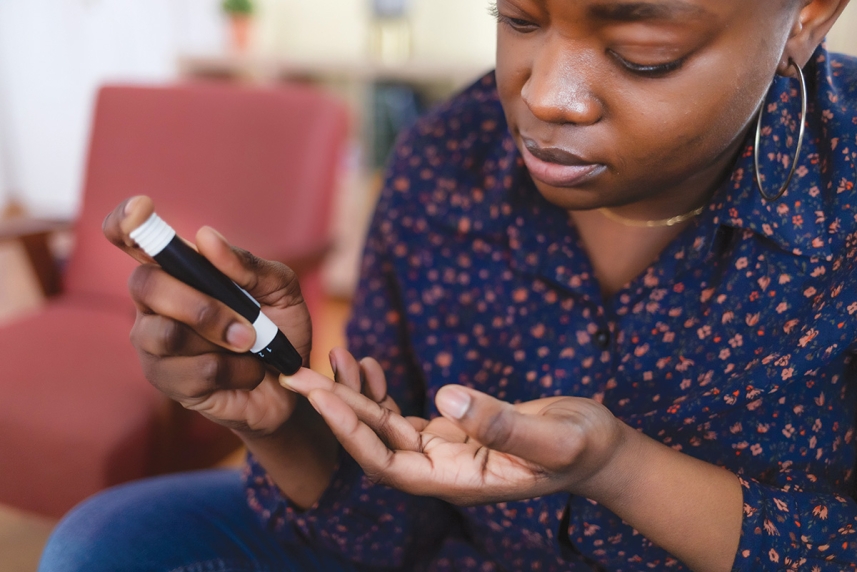
Daily checks
- Blood sugar. Talk to your care team about how often to check your blood sugar at home. Write down your numbers and bring them with you to your appointments.
- Foot check. Call your care team if you notice any cuts, sores, blisters, redness or swelling on your feet.
- Medications. Take your medicines as prescribed by your doctor.
Biannual checks
- Dental exam. Keep your teeth and gums healthy with twice-a-year cleanings. Tell your dentist you have diabetes.
- A1C test. This blood test measures your average blood sugar levels over the past few months. Your care team may want to do this test more often.
- Doctor visit. Talk to your care team about how often you should see your doctor.
- Blood pressure. Get this checked every time you see your doctor.
Yearly checks
- Dilated eye exam. A yearly eye exam can help find diabetes-related problems early, when they’re easier to treat.
- Kidney tests. Regular kidney checks can help prevent or slow kidney problems.
- Cholesterol test. This helps monitor your risk of heart disease.
- Complete foot check. Have your doctor do a full foot check at least once a year. They may refer you to a podiatrist (foot specialist) if needed.

Get the most out of your benefits
Ask the pediatrician: How can I partner with my child's school to manage their diabetes?
The first step is to get to know your child’s school nurse.
“School nurses are fantastic. It helps to be on friendly terms and keep the lines of communication open,” says Kathleen Bethin, M.D. She’s a pediatric endocrinologist and spokesperson for the American Academy of Pediatrics.
Here’s what else you can do to prepare your child for a safe and healthy school year:
1. Share your child’s diabetes medical management plan.
It details everything from medications and supplies to optimal times for meals and snacks. Check in with the doctor to update it yearly — or whenever your child’s treatment plan changes.
2. File a 504 plan.
All public schools (and some private schools) are required to provide for kids with special health needs, including diabetes.
“The 504 plan is the only way to make sure your child gets the services that help them stay healthy and safe,” Dr. Bethin explains. It covers all your child’s needs while at school, from eating when necessary to allowing teachers and other staff members to check their blood sugar and administer medications.
3. Teach the teachers.
Show your child’s classroom teacher and other key staff how to recognize high or low blood sugar and administer insulin or glucagon in an emergency. Plus, tell them where to find your child’s emergency supplies.
4. Be prepared.
Provide supplies for the school nurse, including insulin, a blood glucose meter, and glucagon. Pack an emergency supply kit for your child and make sure it’s restocked when items run low. And don’t forget to add some extra snacks.